Casino Pit Configurations That Shape Craps Betting Patterns and Extend Average Session Times in Regional Venues
Written by Iris Richter · Sep 18, 2026
Casino Pit Configurations That Shape Craps Betting Patterns and Extend Average Session Times in Regional Venues
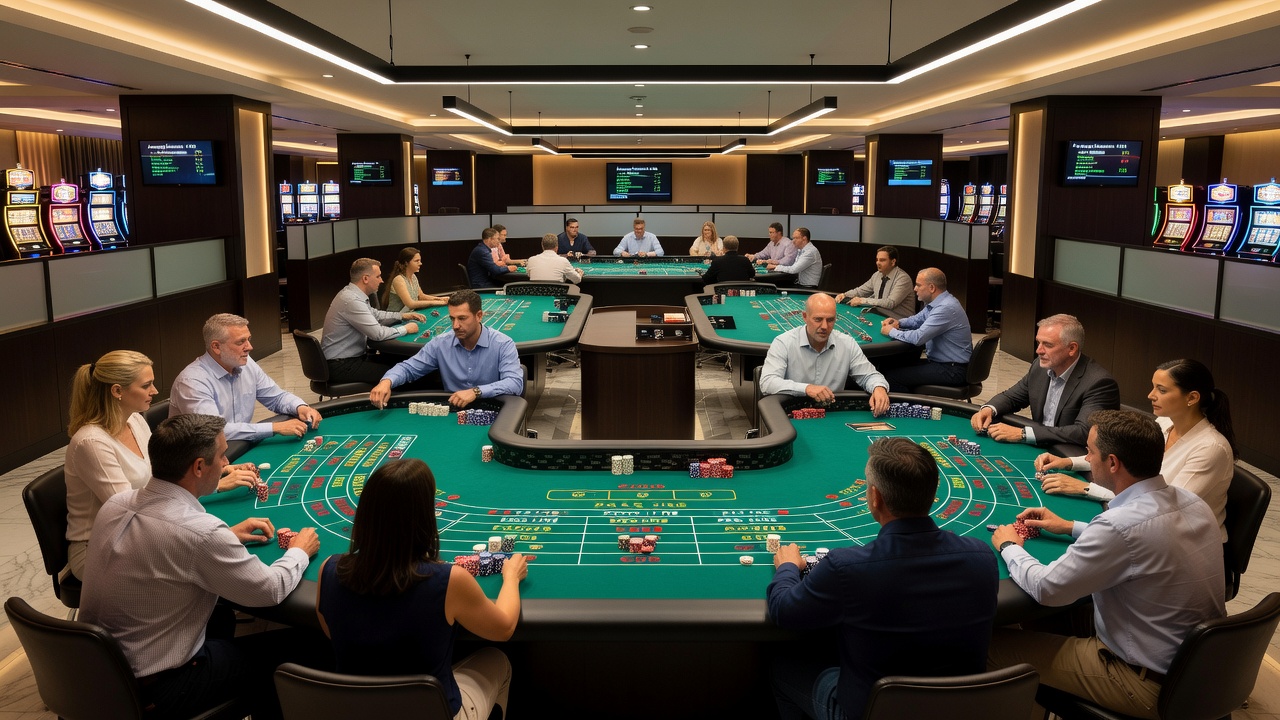
Regional casinos arrange their pit floors in deliberate patterns that guide how players approach craps tables and how long they remain at those tables once play begins. Observers note that curved table clusters placed near central walkways create natural sightlines for passersby, and this visibility often draws additional participants into ongoing games rather than isolated ones. Data from state regulatory filings shows that venues in markets such as Pennsylvania and New Jersey recorded average craps session lengths rising when tables sat within twenty feet of each other compared with more spread-out arrangements. Pit managers adjust lighting levels and barrier placements to reduce visual distractions while keeping dice action clearly visible from multiple angles. Those configurations tend to sustain betting momentum because players remain oriented toward the table instead of glancing toward other attractions. Researchers tracking player flow in mid-sized regional properties found that semi-enclosed pit sections produced longer continuous play intervals during evening hours, particularly when adjacent slot banks stayed at moderate noise levels.Table Placement and Betting Flow
Regional operators position craps tables so that rail space allows comfortable movement for both standing and seated participants. This arrangement supports steady chip handling and reduces pauses that might otherwise interrupt betting rhythms. Figures from the Pennsylvania Gaming Control Board indicate that venues with clustered table groups reported higher per-table handle during peak weekend periods because players could observe multiple shooters without leaving their spots.
And layout choices extend beyond simple proximity. When tables face inward toward a shared dealer station, communication between staff improves and game pace remains consistent. Players experience fewer interruptions from chip fills or rule clarifications, which keeps betting patterns continuous over extended periods.
Environmental Factors That Influence Session Duration
Sound dampening panels and strategic carpet patterns around craps pits help contain noise while still allowing the distinctive sounds of dice and chips to carry. Those acoustic details matter because they prevent the broader casino floor from overwhelming the table atmosphere. Studies compiled by regional gaming associations show that controlled acoustics correlate with extended player dwell times at craps, especially in venues located outside major tourist corridors.
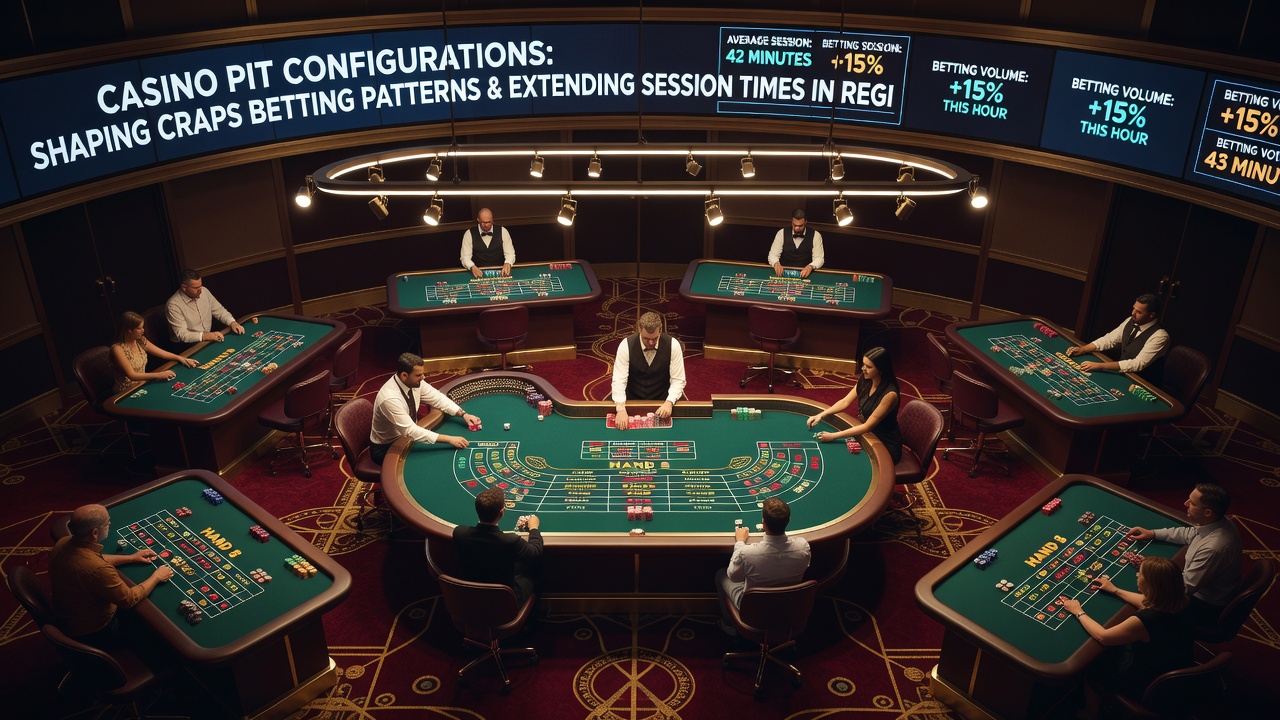
Seating availability also plays a measurable role. When regional venues install padded rails and additional chairs along longer sides of craps tables, players remain engaged for more rolls before stepping away. Data collected through loyalty program tracking in several Midwestern properties revealed that sessions lasting beyond ninety minutes occurred more frequently in pits offering consistent seating options.
Regional Venue Examples and Recent Trends
Venues in secondary markets have refined these configurations over the past two years. Properties in Ohio and Michigan adjusted pit footprints during 2025 renovations to create tighter craps groupings, and early reports through September 2026 show measurable increases in average session length compared with prior layouts. Regulatory submissions to the Ohio Casino Control Commission document that adjusted table spacing coincided with higher total bets per player visit during comparable time frames.
Meanwhile, smaller venues in New York and Connecticut continue testing angled table placements that funnel foot traffic directly past active games. Observers note that these angles increase spontaneous participation because arriving players encounter active betting circles rather than empty felt. The result appears in aggregated play data as steadier revenue per table during midweek hours when foot traffic normally dips.
Operational Adjustments and Player Behavior Patterns
Staff scheduling practices interact with physical layouts to shape outcomes. When regional casinos assign consistent dealer teams to the same clustered tables, game tempo stays predictable and players develop familiarity with specific rhythms. This consistency reduces the friction of joining or leaving games, which in turn supports longer continuous sessions according to internal operational reviews shared with state regulators.
Barrier heights and sightline clearances also receive attention. Lower barriers permit easier observation from nearby walkways, yet still maintain separation from other gaming areas. Those who study player migration patterns in regional markets report that such designs encourage gradual involvement, with individuals often starting as spectators before placing bets and remaining for multiple shooter rotations.
Conclusion
Regional casino operators continue refining pit configurations because measurable differences in session duration and betting volume appear tied to specific spatial choices. Table clustering, acoustic controls, seating density, and traffic flow patterns each contribute to how long players remain at craps and how their betting sequences unfold. Data compiled through state regulatory channels and industry tracking systems continues to inform these decisions across multiple markets as venues seek stable operational results.